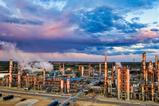
Natural gas and heat costs are central to the competitiveness, commercial / operational viability, and future investment prospects of the UK’s chemical industry — one of the nation’s most energy-intensive sectors. This relationship stems from the fundamental nature of chemical manufacturing processes, the structure of GB energy markets, and the global competitive landscape.
1. Natural Gas as a Core Energy Source and Feedstock
Essential Role in Production:
Natural gas is a key feedstock for many core chemical processes. Methane from gas is used to produce hydrogen (via steam methane reforming), and it supplies essential inputs for products such as ammonia (fertilisers), methanol, ethylene and other basic petrochemicals — the building blocks of countless downstream products across agriculture, healthcare, construction and technology.
Heat Generation:
A significant proportion of chemical manufacturing requires process heat — a fundamental input for breaking molecular bonds and enabling the chemical reactions that produce essential materials. Natural gas is widely used to generate this heat because it is the most flexible means of delivering reliable thermal energy at industrial scale and temperatures and has traditionally been the most cost effective.
2. Cost Competitiveness and Global Markets
High Exposure to Gas Prices:
Accordingly, the UK chemical sector’s competitiveness is intrinsically linked to the costs of natural gas and carbon emissions plus power prices which are also directly correlated to gas prices in the GB market. Total energy costs form a substantial share of production expenses, often representing the single largest operating cost. Sudden surges in global gas prices — driven by geopolitical tensions, supply disruptions, peak demands or market volatility directly feed through to higher production costs for UK firms.
International Competition:
UK chemical manufacturers compete in global markets with producers in regions where natural gas and heat costs are now significantly lower (e.g., US, Middle East, Asia). Competitive pressures increase when rival regions either subsidise or have divergent policies in energy and carbon costs resulting in cheaper feedstocks and heat. Put simply, this enables them to offer lower-priced chemical products leading to offshoring of production, and in many cases an increase in global emissions.
3. Impact on Investment, Jobs, and Industrial Base
Investment Decisions:
Volatile and comparatively high gas and heat costs directly affects the demand for products from particularly markets and critically, deters investment in UK chemical manufacturing over the long term. Investors prefer locations with predictable regulation and policy that delivers lower energy costs. This is especially so for energy-intensive, high cost capital assets such as steam crackers and large reactors. This dynamic not only slows or prohibits expansion and growth but has resulted in a very significant relocation of capital and jobs overseas over the last few decades.
Jobs and Economic Contribution:
The chemical sector underpins other manufacturing industries and supports high-skill jobs across the UK. When GB energy costs erode profitability, it threatens employment and the broader economic value and supply chains built around chemical production. Rising energy costs have already been linked to contraction and job declines in the sector.
4. Interaction With Electricity and Decarbonisation
Electrification of heat:
While electrification of heat processes is a long-term ambition for decarbonisation, current UK electricity prices remain substantially higher than industrial gas, making such switches economically unattractive for many heat requirements. Most chemical heat processes fall within temperature ranges where electrification could technically be feasible, but high energy costs currently block or deter commercial adoption and the potential to stop and even reverse offshoring of chemical production.
Role in Net Zero Transition:
Natural gas will continue to play a transitional role — both as a heat source and as a feedstock to produce blue hydrogen — until low-carbon alternatives (green hydrogen, electrified heat networks, carbon capture utilisation and storage) achieve competitive cost and scale. Ensuring access to affordable gas in the interim helps maintain production capability while decarbonisation pathways mature.
5. Policy and Cost Risk
Policy Cost Pressures:
Reforms in carbon pricing and the potential redistribution of policy costs from electricity bills onto gas bills pose significant risks and uncertainty. Policy-driven cost increases in gas (for carbon or heat decarbonisation levies) could impose a 44% increase in industrial gas prices [as per CIA website], severely impairing competitiveness.
Need for Competitive Frameworks:
Our sector calls for policy frameworks that balance decarbonisation goals with international cost competitiveness — including targeted reliefs or transitional support mechanisms for heat and natural gas dependent processes in order to avoid undermining our industrial base and global progress toward carbon reduction and net-zero.
Conclusion
Natural gas and the cost of heat are fundamental to the UK chemical industry’s cost structure, competitiveness and operational stability. Given the industry’s importance to the UK manufacturing ecosystem and its role in supplying essential products, ensuring access to competitively priced, secure gas supplies and managing the costs of heat provision are vital priorities. At the same time, aligning energy policy to support a balanced transition to low-carbon heat sources will be critical to preserving and expanding chemical manufacturing in the UK’s future industrial landscape.