
Case Study
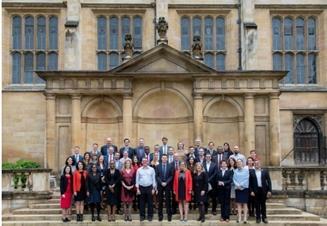
Dow - Sustainability Academy with University of Cambridge
Investing in sustainability leaders of the future.
The CIA gathers industry insights through a quarterly business survey to advocate for our members’ interests with policy makers, regulators and other stakeholders.
Read more
Use our Sustainable Health metrics to drive continuous improvement and foster a sustainable, healthy workplace.
Read more
The chemical and pharmaceutical industry is fundamental to modern society. With an immense variety of products, from vital medicines and foods, the construction of buildings, to transport and leisure, the industry truly does have an impact on virtually every aspect of our daily lives.
Read more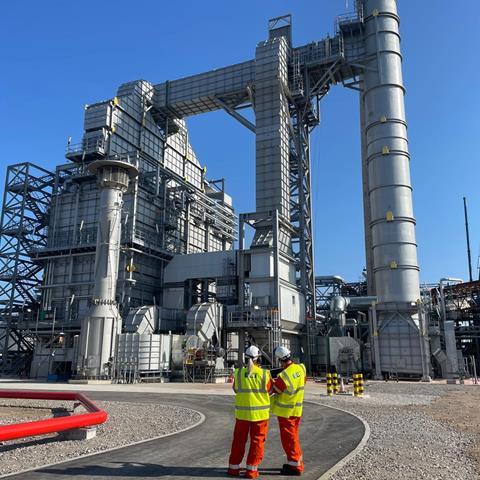
Essar Energy Transition is transforming Stanlow into an integrated energy transition hub, combining hydrogen production, carbon capture and storage, lower-carbon fuels and energy efficiency technologies. Backed by a £4.3 billion investment programme, the initiative is supporting industrial decarbonisation, strengthening energy security and helping to secure the long-term competitiveness of UK manufacturing.
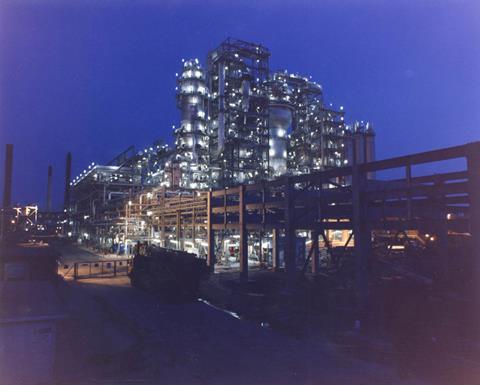
As the UK accelerates its transition towards a lower-carbon economy, Essar Energy Transition (EET) is transforming Stanlow into an integrated energy transition hub. Backed by a £4.3 billion investment pipeline, the programme combines existing industrial infrastructure with low-carbon technologies to support industrial decarbonisation, strengthen energy security and maintain the long-term competitiveness of UK manufacturing. By investing in hydrogen production, carbon capture infrastructure, lower-carbon fuels and energy efficiency, EET is working to establish a pathway towards more sustainable industrial operations.
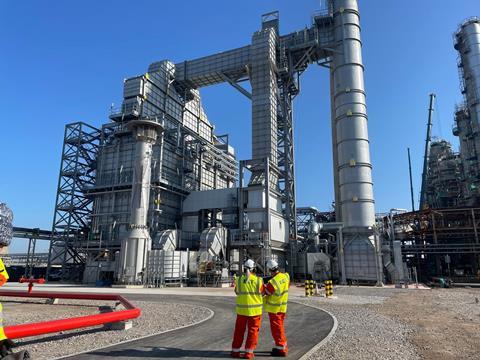
Transforming existing infrastructure for a lower-carbon future
Heavy industry faces the challenge of reducing carbon emissions while maintaining energy security, operational performance and economic competitiveness. Achieving this transition requires significant investment in new technologies while making effective use of existing industrial assets.
EET is addressing this challenge through the transformation of Stanlow, building on its established role in the UK’s energy infrastructure. The programme focuses on energy efficiency, hydrogen production, carbon capture and storage, lower-carbon heat and power, and future fuels. By integrating these technologies into an established industrial site, EET aims to reduce the carbon intensity of industrial activity while continuing to support the supply of essential energy products to the UK economy.
The integrated approach also has the potential to benefit businesses across the North West industrial cluster. Access to lower-carbon energy and shared infrastructure can help energy-intensive manufacturers pursue their own emissions reduction ambitions while supporting the development of a more resilient industrial supply chain.
Delivering environmental and economic benefits
EET’s investment programme is designed to support industrial decarbonisation through the development and deployment of technologies that can reduce emissions from energy production and industrial processes.
Hydrogen can provide a lower-carbon energy option for suitable industrial applications, while carbon capture and storage can help manage emissions from processes that are difficult to decarbonise. Alongside improvements in energy efficiency and the development of future fuels, these technologies form part of EET’s broader approach to transforming Stanlow into a lower-carbon energy hub.
The programme also aims to deliver economic value beyond emissions reduction. By building on existing infrastructure, industrial capabilities and expertise, EET seeks to balance the transition to lower-carbon operations with reliable energy supplies and continued industrial productivity.
Underpinned by a £4.3 billion investment pipeline, the transformation supports the long-term development of the North West as a centre for energy transition investment. It also highlights the role of established industrial sites in attracting investment, enabling new technologies and supporting the continued competitiveness of UK manufacturing.
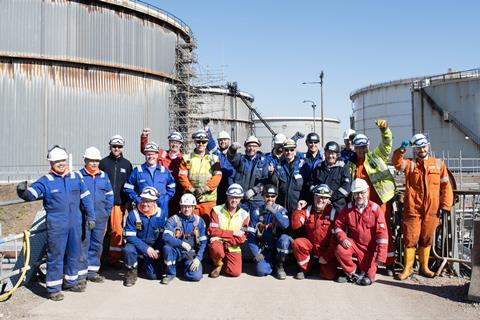
Overcoming the challenges of industrial transformation
Decarbonising an established industrial site requires careful coordination between existing operations, new technologies and future infrastructure requirements. Businesses must manage this transition while maintaining operational reliability, protecting industrial capability and responding to evolving energy demands.
EET’s approach centres on adapting Stanlow’s existing infrastructure and combining it with investment in emerging low-carbon technologies. This provides a pathway for the site to evolve while continuing to serve its strategic role in the UK’s energy system.
The programme illustrates how the transition of existing industrial assets can contribute to wider decarbonisation objectives, particularly in sectors where replacing infrastructure entirely may be challenging. Collaboration across industrial clusters and the development of supporting infrastructure will be important in realising the full potential of these investments.
Building a pathway towards sustainable manufacturing
The transition to a lower-carbon industrial economy requires sustained investment, technological innovation and long-term planning. Through its transformation of Stanlow, EET is working to demonstrate how established energy infrastructure can evolve to support both environmental objectives and economic resilience.
By bringing together hydrogen production, carbon capture and storage, energy efficiency and future fuels within an integrated programme, EET aims to create the foundations for lower-carbon industrial activity while maintaining essential energy supply capabilities.
As the programme progresses, verified project-level emissions data will help demonstrate its contribution to decarbonisation. The initiative nevertheless highlights the importance of large-scale industrial investment in advancing the UK’s net zero ambitions, strengthening energy security and supporting a more competitive and sustainable manufacturing sector.







Investing in sustainability leaders of the future.